

My Father’s Dartmoor
The manuscript of my next book has been sent to the publisher today. Publication date is 28th November 2025.
MY FATHER’S DARTMOOR
SIXTY YEARS OF DARTMOOR WALKS & HISTORY
In memory of my father, Michael Caton, 1935 – 2023
A celebration of my father’s sixty years of Dartmoor walking and campaigning, adding a little to the historical record of the National Park and completing the book he was unable to finish. Produced in full colour and illustrated with over 200 Dartmoor photographs.
Part One starts with five chapters written by my father describing walks in the 1950s & 60s. Further chapters describe some of his walks with family, in all weathers and with the Dartmoor Preservation Association.
Part Two contains photographs going back to 1954, some of which are compared with recent pictures. One chapter shows photographs from Dartmoor railways taken in the 1950s, including the famous Princetown branch line.
Part Three is based around my father’s Dartmoor documents, including letters from Hansford Worth and Hemery, with investigation undertaken regarding some of the buildings and artefacts mentioned. Based on his 1958 photograph the history of a remote Dartmoor farmhouse is researched, questioning previously published information.
The final chapter looks at changes observed on Dartmoor in the last sixty years.
All Line Rover 2025
I’ve decided to try to make a 7 day All Line Rover an annual event.
This year’s objectives were –
To visit at least one place I’d never been to before – achieved with Rye & Oxenholme
To travel on a railway line I’d never been on before – achieved with Ashford – Hastings
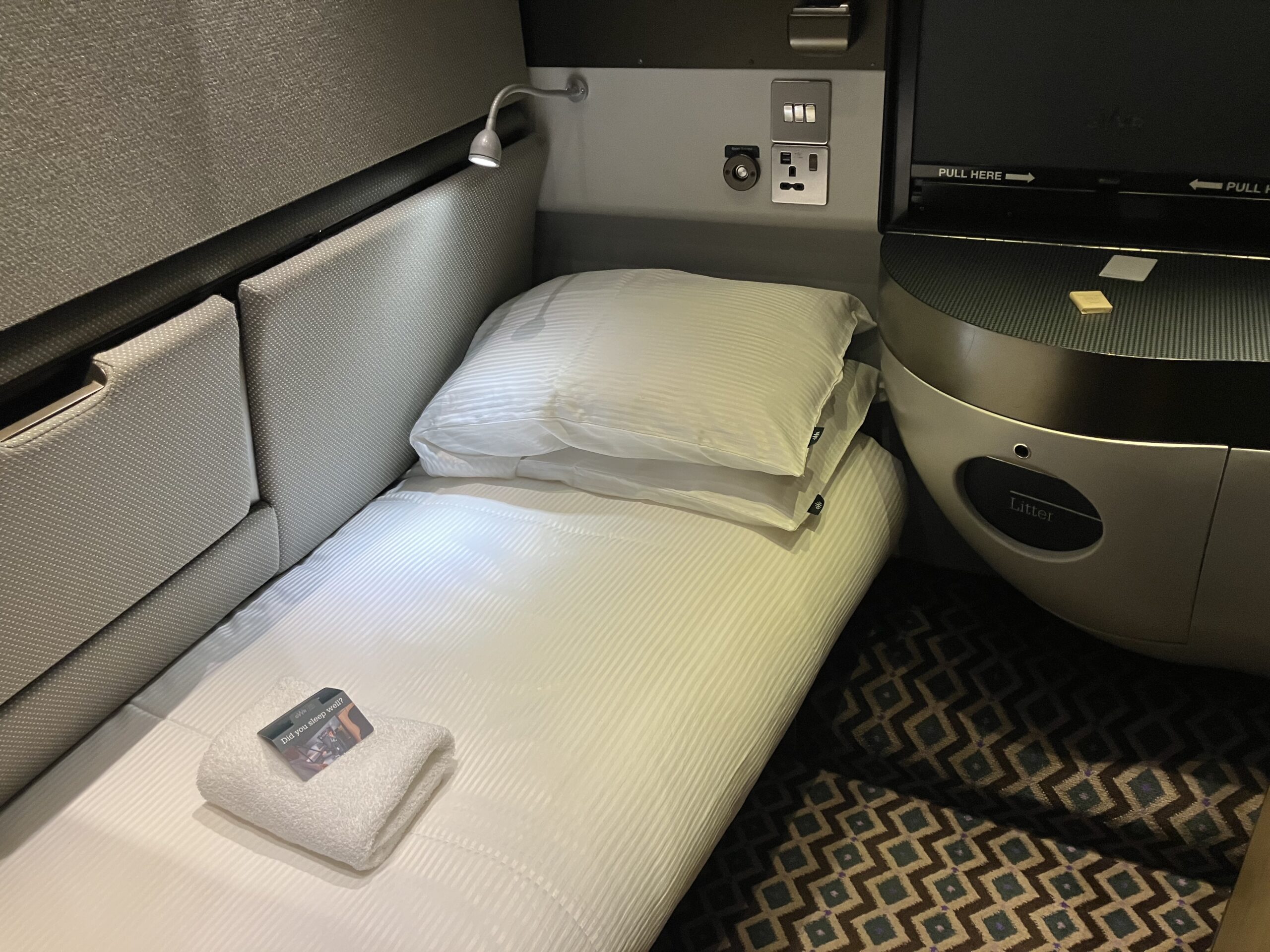
To travel on some interesting trains – achieved with Penzance sleeper, locomotive hauled Manchester – Newport & Birmingham Moor St – Marylebone.
To go for at least one country walk – achieved with Orrest Head at Windermere and a bonus of The Helm at Oxenholme, a small hill with amazing views, just right to occupy a traveller with a wait between trains.
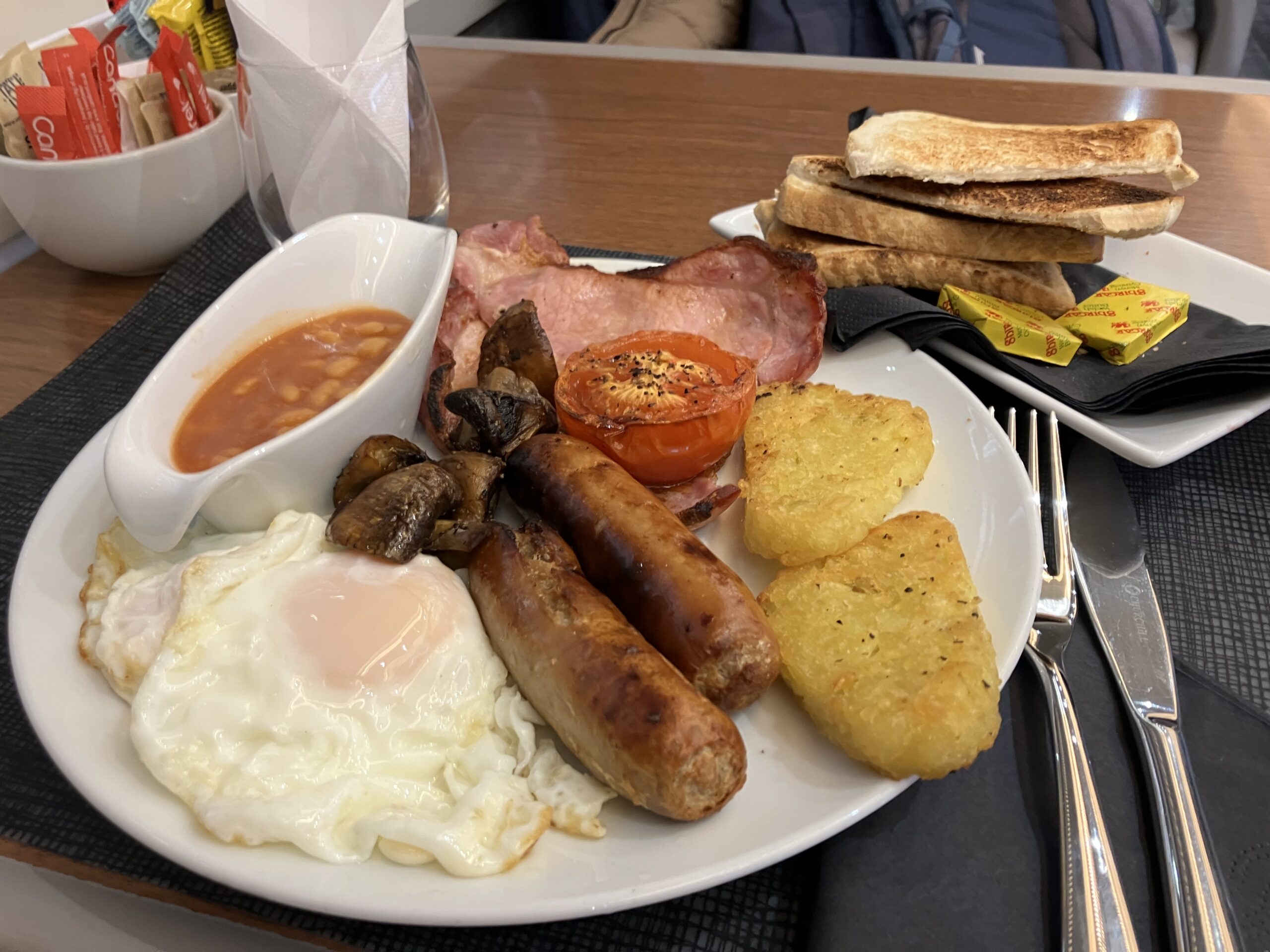
To enjoy as much on train catering as I could – achieved with sad exception of Avanti letting me down on breakfast but the highlight being Transport for Wales’, Big Breakfast
To read through my latest Dartmoor book which is almost finished.
The itinerary was –
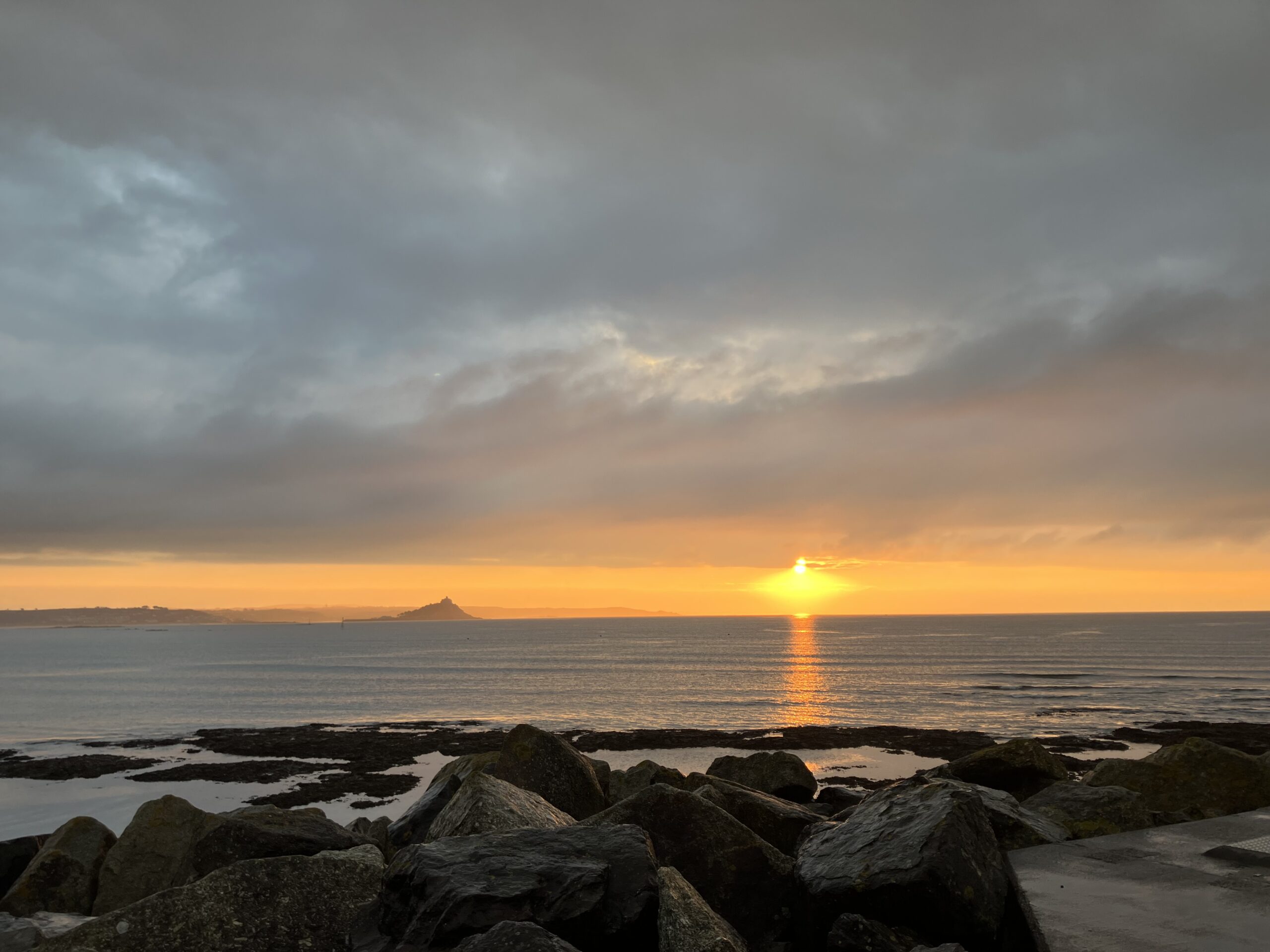
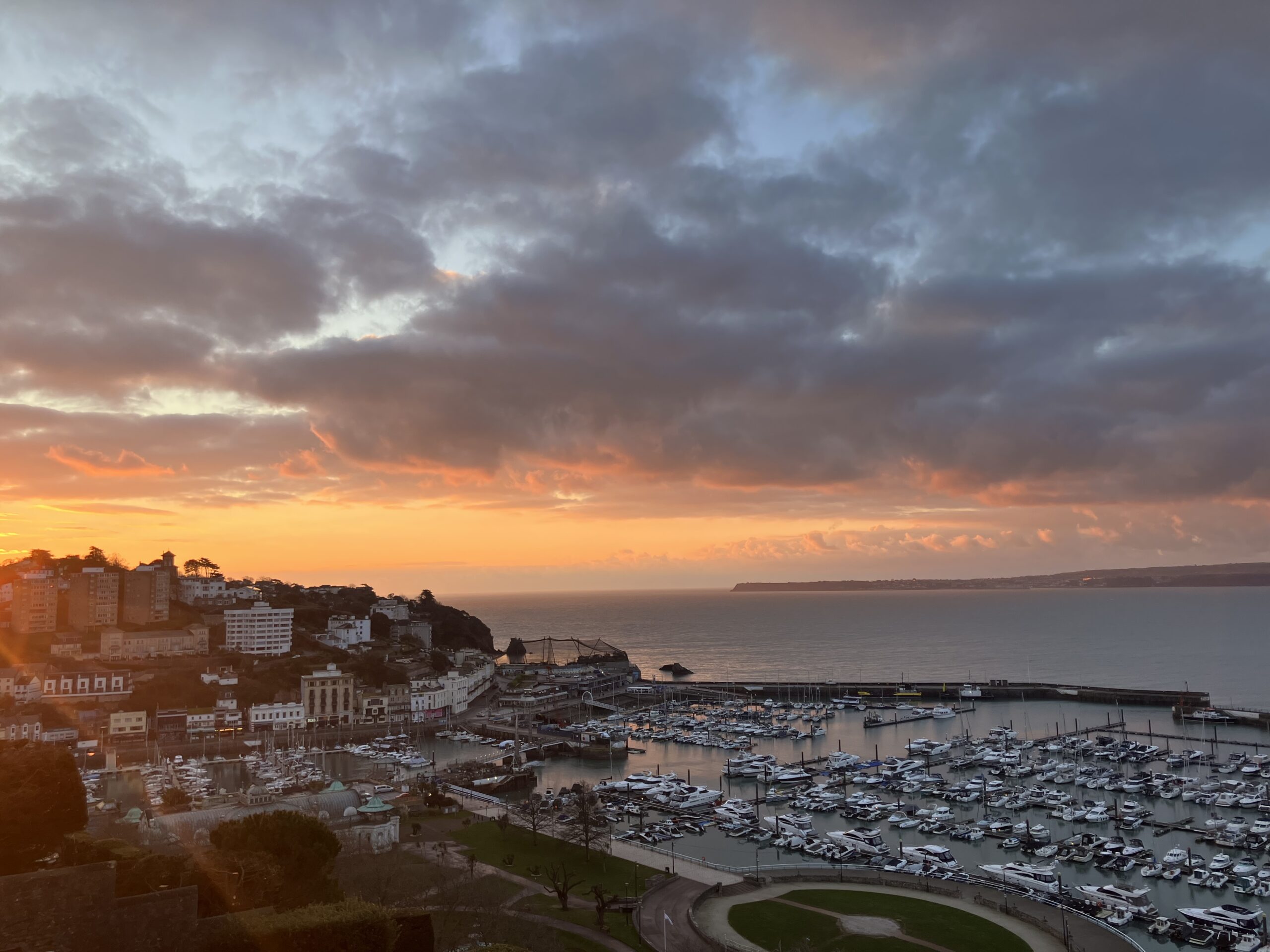
Days 1 & 2 : Paddington – Penzance (Night Riviera sleeper) – Torquay – Bristol – Paddington
Day 3 : Stratford International – Ashford – Rye – Hastings & return
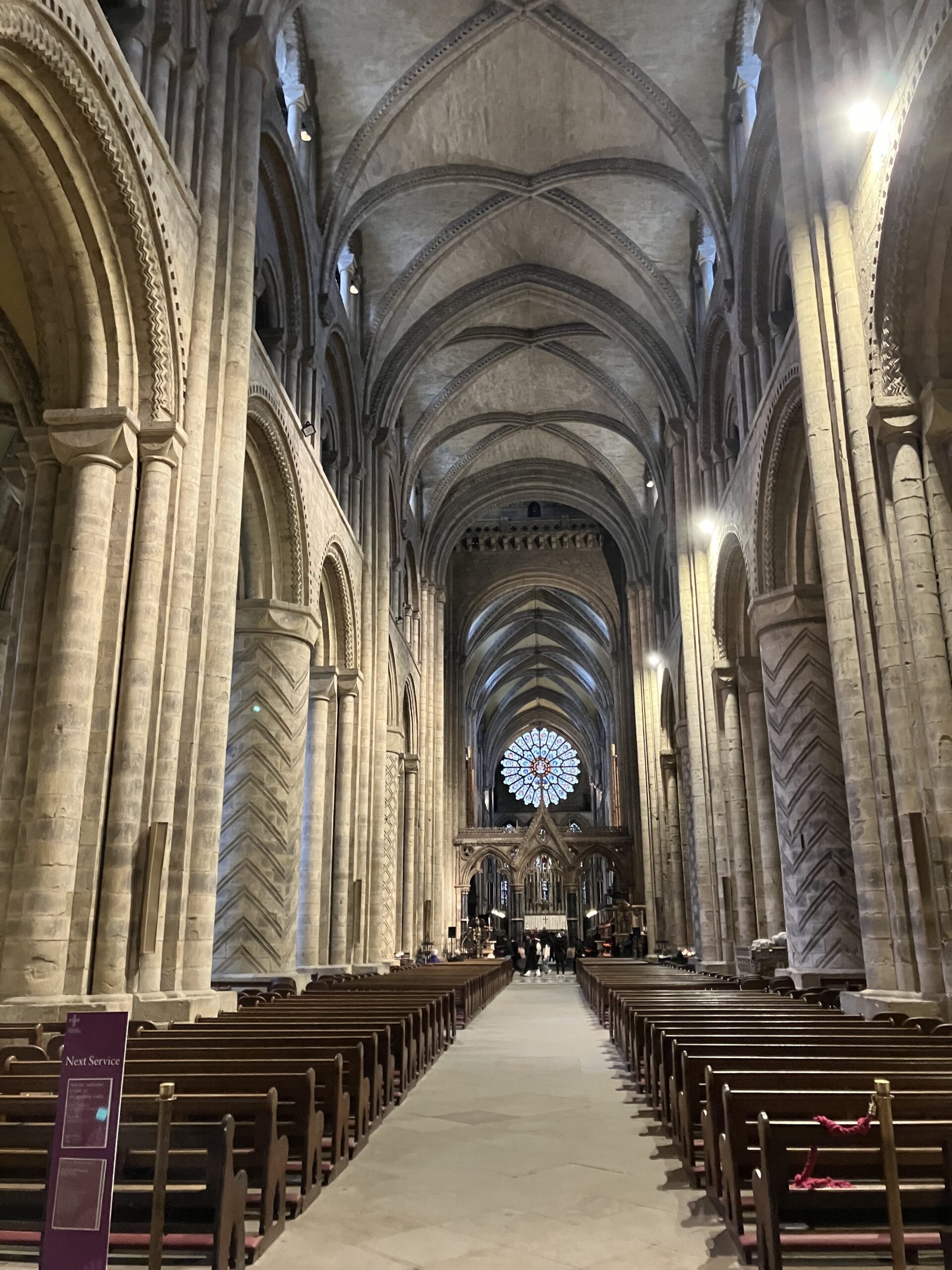
Days 4, 5 & 6 : Kings Cross – Durham – Edinburgh – Windermere – Manchester – Macclesfield (visited friends) – Newport – Paddington
Day 7 : Euston – Birmingham – Marylebone








Dartmoor : England’s Last Wilderness?
My next Dartmoor book is due for publication on 28th August. Currently it is with the publisher awaiting proof reading.

A Dartmoor narrative, exploring many aspects of the moor by means of a series of varied walks and asking the question, is Dartmoor England’s last wilderness?
The author starts by telling us of the various mishaps he’s experienced on Dartmoor and the lessons learned. He moves on to describing walks, each with a theme and including information on the history, legends, geography and people of the moor. Making use of his father’s sixty year old notebooks, he refers back to some of his childhood walks in the 1960s & 70s.
Some of the many controversies and conflicts relating to Dartmoor are discussed, including access, camping and rewilding and the book includes four chapters on battles to save the moor.
The author considers what defines a wilderness, whether Dartmoor qualifies and if so is it England’s last. Illustrated with 100 colour and monochrome photos, the book could perhaps be described as a Dartmoor miscellany with themes of walks, wilderness, controversies and stories of the moor.
A writer of travel and walking books, Peter Caton has walked on Dartmoor for almost sixty years.
All Line Rover
When I was 60 I planned to do an All Line Rail Rover using my Senior Railcard but the pandemic intervened. Last week I finally got round to it. It was fairly low key as I wanted to minimise nights away and hotel costs but a most enjoyable week.
One aim was to visit a few places I’d never been to before and travel on a few new stretches of railway.
Achieved these with Selby, Ilkley & St Austell and Stowmarket – Cambridge, Leeds – Selby, Leeds – Ilkley & Salisbury -Westbury
Day One – Liverpool St – Stowmarket – Bury St Edmunds (lunch & look round abbey) – Cambridge – Kings Cross.

Day Two – Kings Cross – Leeds – Selby (look round abbey) – Hull – Bridlington (dinner with friend & overnight)

Day Three – Bridlington – Seamer – Leeds – Ilkley (walk on moor) – Leeds – Kings Cross


Day Four – Day off. West Ham!
Day Five – Paddington – Bristol – Torquay – Paignton (dinner – met an interesting lady & broke her wine glass – long story!) – Torquay

Day Six – Torquay – Newton Abbott – St Austell (sadly run down with little to see other than nice parish church) – Newton Abbot – Torquay

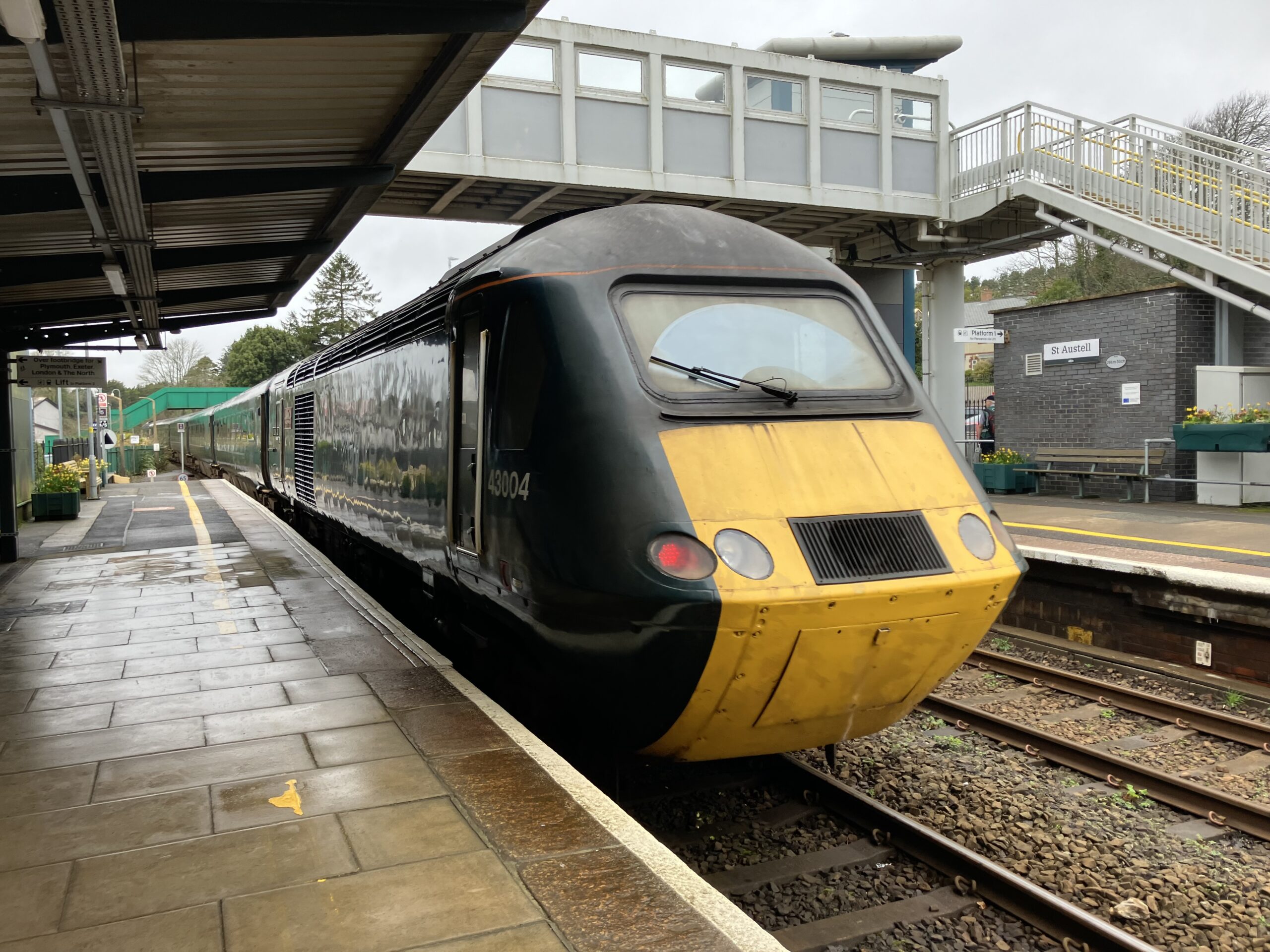
Day Seven – Torquay – Exeter – Salisbury (lunch, cathedral & Magna Carta) – Bath – Paddington

34 trains in all including Upminster – London & back. Only the last was more than 5 minutes late and at 13 minutes that didn’t qualify me for any delay repay.
And one more objective was a final read of my next book, Dartmoor England’s Last Wilderness? Which I completed and has now been sent to the publisher.
Dartmoor : England’s Last Wilderness?
My next book will be completed in the next few weeks and should be available from about September:
A Dartmoor narrative, exploring many aspects of the moor by means of a series of varied walks and asking the question, is Dartmoor England’s last wilderness?
The author starts by telling us of the various mishaps he’s experienced on Dartmoor and the lessons learned. He moves on to describing walks, each with a theme and including information on the history, legends, geography and people of the moor. Making use of his father’s sixty year old notebooks, he refers back to some of his childhood walks in the 1960s & 70s.
Some of the many controversies and conflicts relating to Dartmoor are discussed, including access, camping and rewilding and the book includes four chapters on battles to save the moor.
The author considers what defines a wilderness, whether Dartmoor qualifies and if so is it England’s last. Illustrated with 100 colour and monochrome photos, the book could perhaps be described as a Dartmoor miscellany with themes of walks, wilderness, controversies and stories of the moor.
A writer of travel and walking books, Peter Caton has walked on Dartmoor for almost sixty years.
Walks Discovering Lesser Known Dartmoor
The initial print run of Walks Discovering Lesser Known Dartmoor has virtually sold out and a reprint of another 1000 received. There are a few very minor changes in the reprint.
New stock has been delivered to DNPA for their three visitor centres – Princetown, Postbridge & Haytor and to the Dartmoor Heritage Railway shop on Okehampton station. Obviously I had to call into the excellent Bullied Buffet while on the station.
The book is still being stocked by all the independent bookshops around Dartmoor.
Book Updates
All my books are still available and continue to sell, albeit at varying rates.
Essex Coast Walk has been reprinted and updated several times and will require another reprint soon. This will probably be in early 2024.
No Boat Required – Exploring Tidal Islands was reprinted and updated last year. The additional chapter and number of additions to other chapters meant that it had to be republished as a second edition with a new ISBN number. This is unfortunate as it has caused some confusion, with some sites showing both versions and the reviews not carried over. The book continues to sell steadily, helped by being the only work specialising on the subject.
Stand Up Sit Down now sells just a few copies a year, maybe because the subject receives less publicity, as the campaign to bring back the choice to stand at football is now seeing success. Over the years it has been used by a number of students for dissertations and projects.
The Next Station Stop – Fifty Years by Train still sells slowly with positive feedback.
Suffolk Coast Walk is still stocked by most bookshops in the county and is likely to need a third reprint in 2024.
50 Walks on the Essex Coast has been reprinted and updated three times. It continues to sell well across the county and is the only walking guide to the entire Essex coast.
Remote Stations I have to say has been a little disappointing. Feedback has been good and I consider it one of my best books but there is a lot of competition on railway books and it’s hard to get them onto the shelves unless one is well known or has contacts. A ‘television personality’; or travel editor may write a book that is no better than the self publishing author but they have no trouble getting a book prominently displayed in the likes of Waterstones. Nonetheless it is still selling steadily, although mostly online.
Walks Discovering Lesser Known Dartmoor was published in late 2022 and is selling well, with most independent bookshops in Devon holding stock. It too will reprint, probably in early 2024.
There will be an update on my next book soon.
Widecombe in the Moor
Unfortunately Widecombe General Store closed last week however Walks Exploring Lesser Known Dartmoor is now available from The Shop On The Green in Widecombe.
It is also available at most book shops in Devon.
Please support local booksellers
How I Write a Book
For many years I had a desire to write books. My first, Essex Coast Walk, I started in the autumn of 2006 and published in 2009. Prior to that I’d considered various ideas, made some initial research and a couple of aborted starts.
Some ideas went on the back burner as I was keen to complete a long walk and write a book about it but the demands of family and work made this difficult. Then I had the idea of walking the Essex coast, a walk that no one seemed to have written a book about but doing it in single day stages to fit in with home and work.
I’m now working on my eighth book, which like the last is based on Dartmoor, although this time not a walking guide. Well, I say I’m working on my eighth book but in fact I’m also working on what may be my ninth, tenth, eleventh and twelfth. Rather than one book at a time, I’ve found that it works to have more than one on the go, at least in terms of gathering information and noting down ideas. Two of them I’ve been working on for more than ten years. Progress on these has tended to jump forward when travel or walking related books meet a quiet period, such as lockdown, or when (as is the current position) all the walks / trips have been written up and I’m waiting for the opportunity to do more.
How I write has change too. A big mistake with Essex Coast Walk was to ‘complete’ a chapter then put it aside until the book was ‘finished’. It then took me a year to repeatedly read through, edit and check the manuscript. Now I write each chapter (or often work on more than one chapter at a time) soon after the walk or journey has been completed, then edit it by reading it over and over again, usually on the long train journeys which I make very regularly. Each chapter is read at least twenty five times, with the number of changes and corrections gradually reducing.
Finally, I learned from Essex Coast Walk the value of paying for a proof reader. Having read it many times myself and my wife and both parents read it too, I thought that all the errors had been spotted. I was wrong and the first print run of a thousand copies had far too many errors, albeit most small. Several reprints later all (I think) have been corrected but I learned that a professional proof reader is essential to cutting out errors, particularly as the typesetting process can introduce new ones. The odd mistake still slips though, sometimes typos, spelling and sometimes information. I’m always grateful to readers who point these out and usually kick myself, for example repeated instances of referring to those who built railways as ‘navies’ not ‘navvies’ in Remote Stations.
Please do let me know if you spot and errors in my books so they can be amended at the next reprint, particularly walking guides where changes can occur over time – pubs close, gates replace stiles etc.
Walks Discovering Lesser Known Dartmoor
Walks Discovering Lesser Known Dartmoor is selling well and in stock at most independent bookshops in Devon. The following should have stock.
The Ivybridge Bookshop Ivybridge
Westcountry Books Newton Abbot
Dogberry & Finch Books Okehampton
Book Stop Tavistock
Quayside Books Teignmouth
East Gate Bookshop Totnes
Bookbag Exeter
Village Store Widecombe
Walter Henry’s Bookshop Bideford
Spencer Thorn Bookshop Bude
Waterstones in Torquay, Newton Abbot & Barnstaple usually have stock but for some strange reason their Exeter and Plymouth branches don’t.
Please support your local bookshop or purchase online from Swan Books through the link on the book page of this website.
Recent Comments