

Dartmoor Waterfalls
My next book will be published in spring 2027. It is another Dartmoor book and a rare subject which hasn’t been covered in detail by other Dartmoor authors.:-
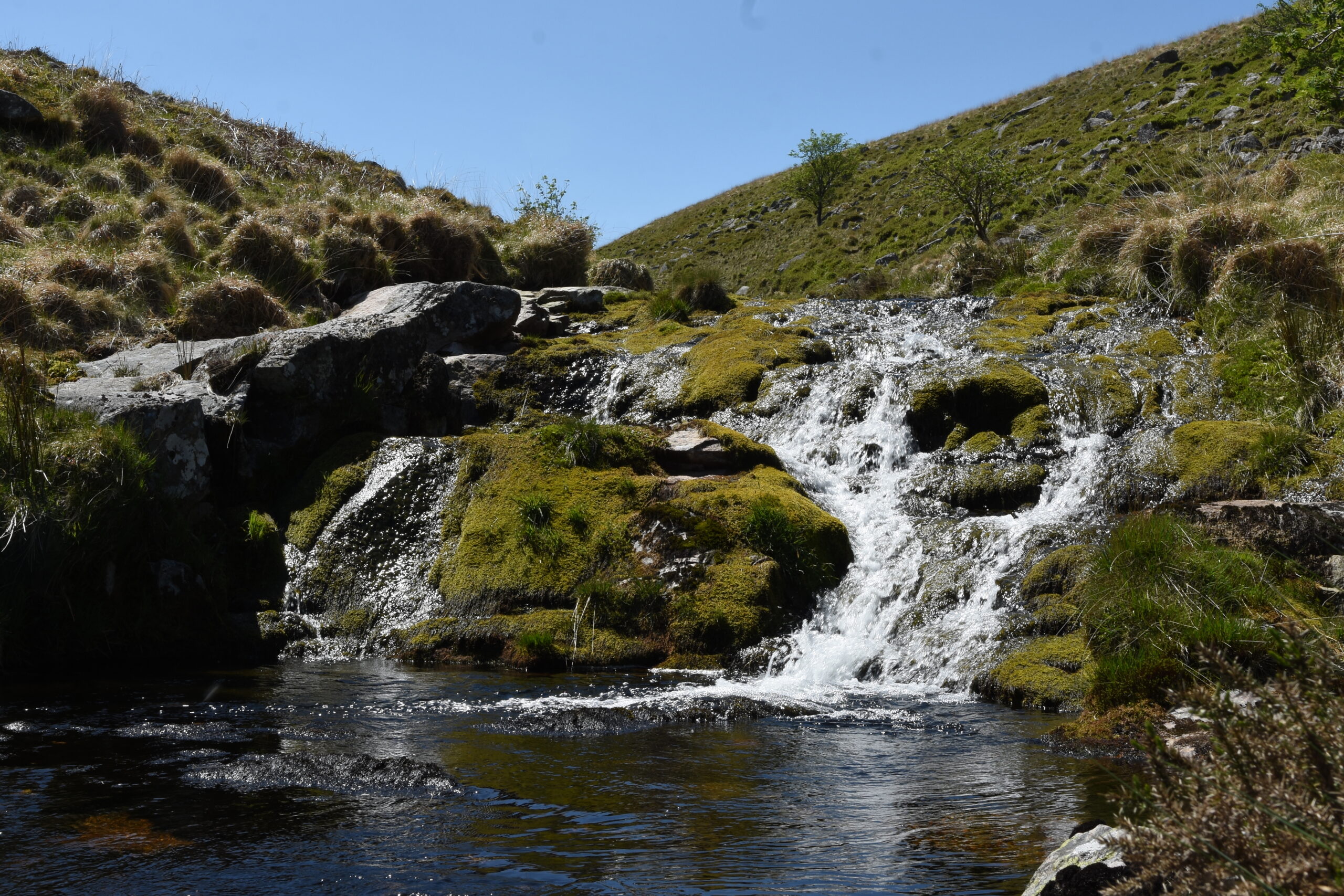
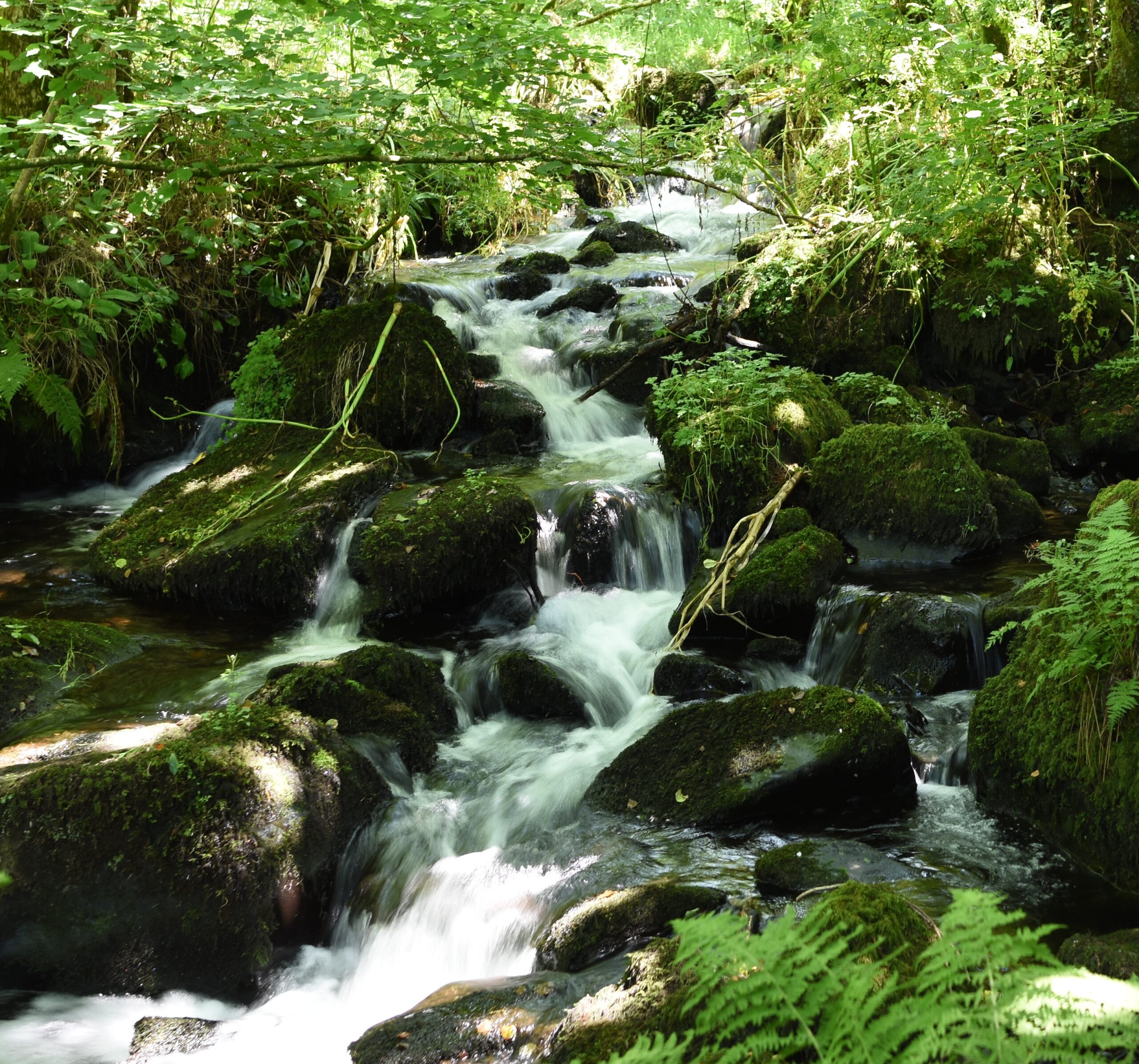
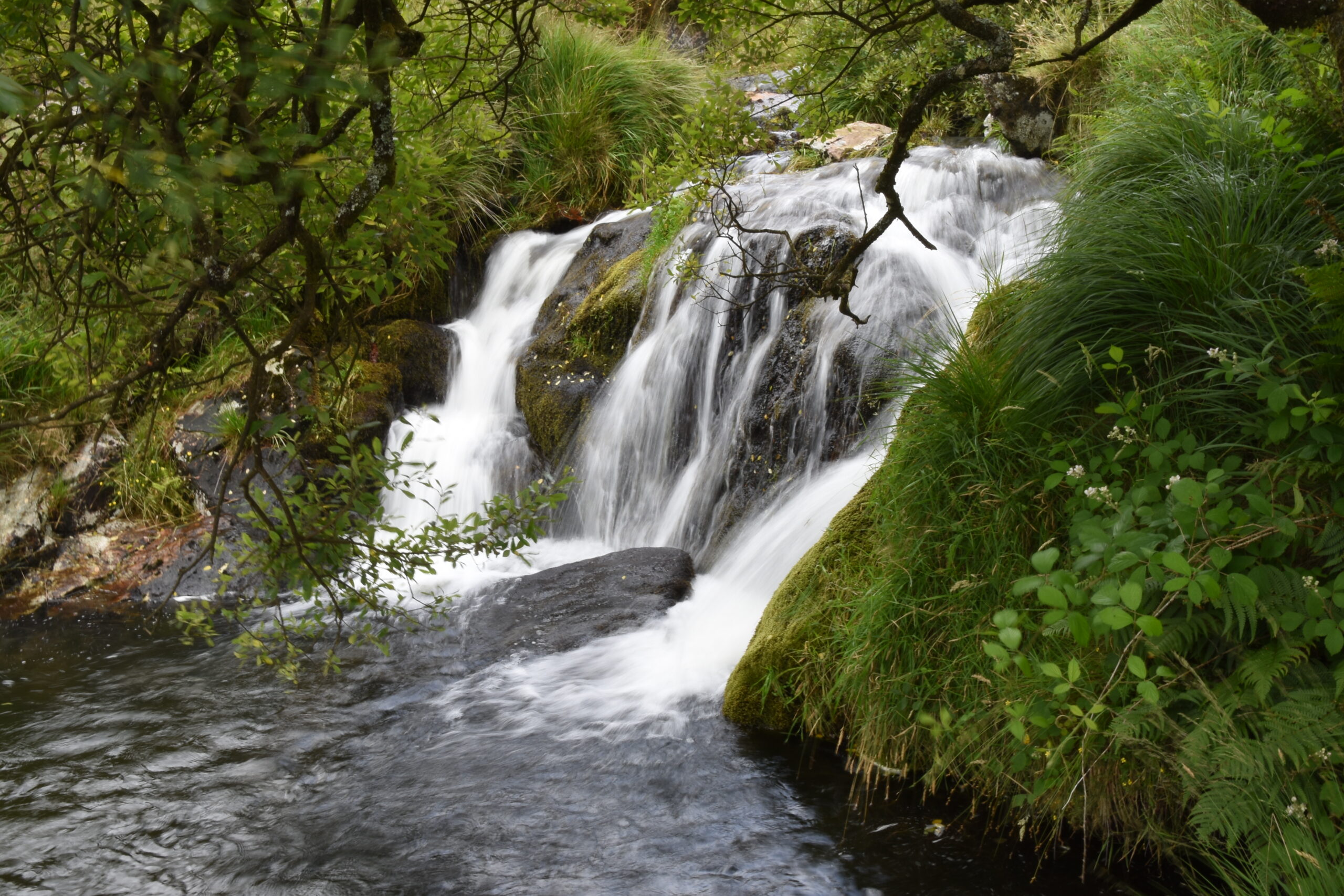
Dartmoor, the last ‘wilderness’ in Southern England, is known for its granite tors, heather-covered moors and prehistoric remains but is not generally for waterfalls. Only those who know the Moor well are aware that as its rivers and streams tumble down from the High Moor and hurry through wooded valleys, there are waterfalls and cascades of all types and sizes.
Peter Caton has discovered seventy-five waterfalls across Dartmoor, ranging from tiny streams tumbling down hillsides, to its widest rivers cascading over rocks in dense woodland valleys. More than two hundred photographs show the beauty and drama of falls in different seasons and states of flow. For each waterfall he provides walking routes and suggestions of places of interest nearby, along with locations marked on maps.
Whether an armchair walker or someone intending to step out across the moors in search of little-known gems, this exploration of Dartmoor’s magnificent and varied waterfalls will provide enjoyment and inspiration.

Havering’s Wildernesses
Here’s a piece I wrote for our local paper, the Romford Recorder, for the monthly column contributed by Havering Friends of the Earth.
Two years ago I published a book, Dartmoor: England’s Last Wilderness? questioning whether Dartmoor is a wilderness and if so, is it, as some claim, England’s last. In doing so I considered the definition of ‘wilderness’ and wrote about a small area close to our Upminster home, which seemed to meet most of the criteria to be classed as a wilderness.
On the edge of Cranham is the well-managed nature reserve known as the Brickfields. A strip of land between this and houses has been abandoned for probably seventy years. Inevitably there have been proposals to build on it but so far these have been fought off. As I walked through here one day it struck me that this small piece of land, roughly 330 by 130 metres, meets many of the criteria for wilderness. In fact, it meets almost all the main dictionary definitions: natural, uncultivated, undeveloped, uninhabited and not used by humans. The land was last cultivated in World War Two and after being left to nature most of it is now dense scrub, with some well-established trees, a marshy area, a path and a few open glades. It is arguable whether historical cultivation rules it out but other than this, according to the definitions the land could easily be described as wilderness.
Perhaps we could use the term micro-wilderness? I wondered what other examples there are in Havering and thought back to my walk in North Ockendon last summer, on the huge site of the proposed data centre. Here were pockets of land which remain natural and unused – corners of fields with wildflowers, shrub, patches of nettles and brambles. These are places where birds feed and nest, butterflies flutter, badgers forage and voles hide. But this is a place that Havering Council want to dig up and replace with huge warehouse-type buildings.
On a slightly larger scale, two areas in Havering; Rainham Marshes and Hornchurch Airfield, were for many years protected from development by military use, then abandoned. Both became ‘micro-wildernesses’, diverse homes for wildlife and are now carefully managed, providing access for people and habitat for nature.
Havering’s ‘micro-wildernesses’ provide refuge for a huge range of animals, birds, insects and plants. They are immensely valuable land, helping the Borough to breathe and for people to live alongside nature but they are also vulnerable to development. Once built on they are lost for ever and like all of our green belt, they must be protected.
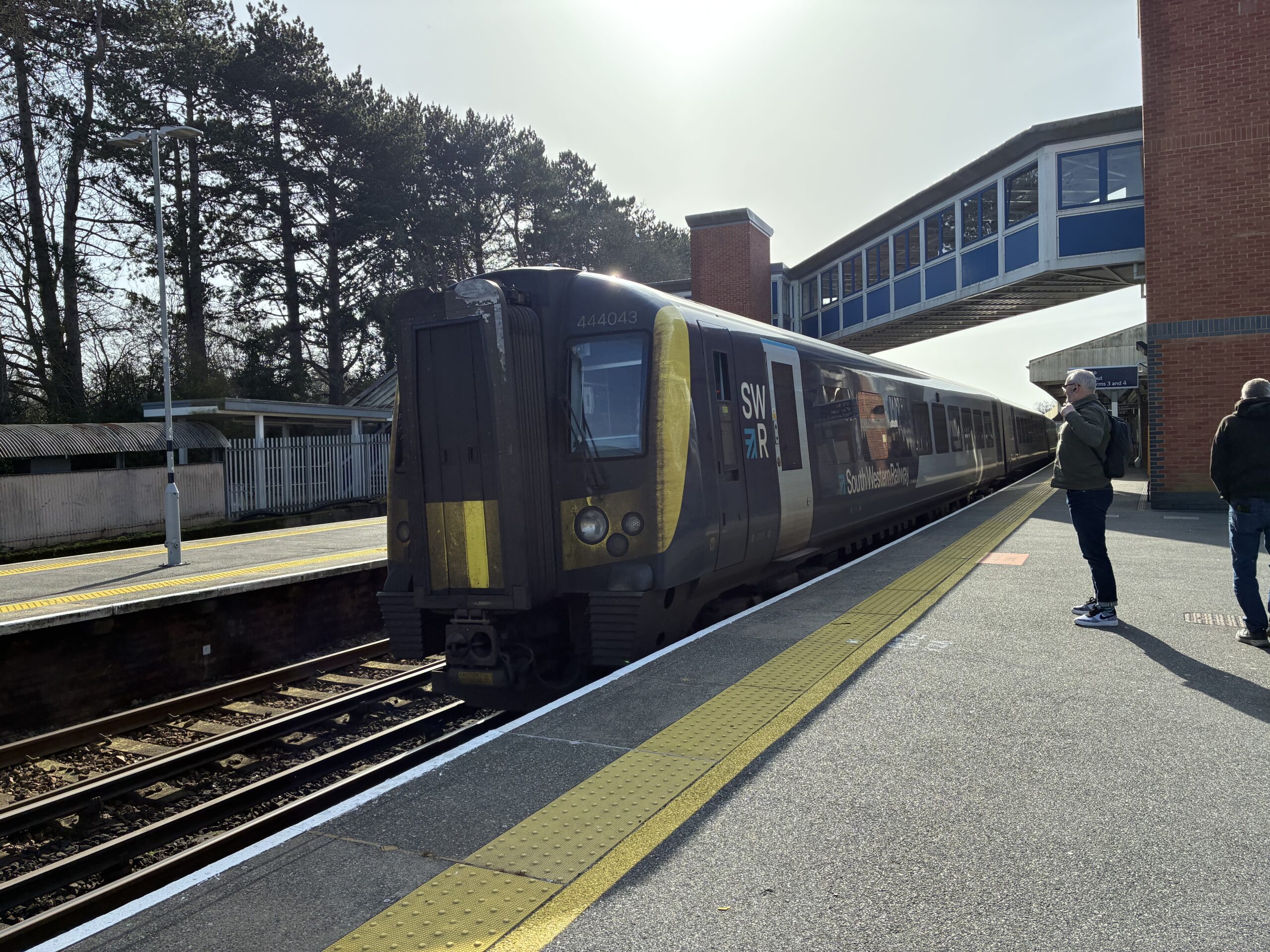
ALL LINE ROVER – FEBRUARY 2026
Folkestone – A walk by the sea and look at the old Harbour Station.
Brockenhurst – Walk in New Forest. St Nicholas Church & war graves.
Cardiff – Visiting our grandson.
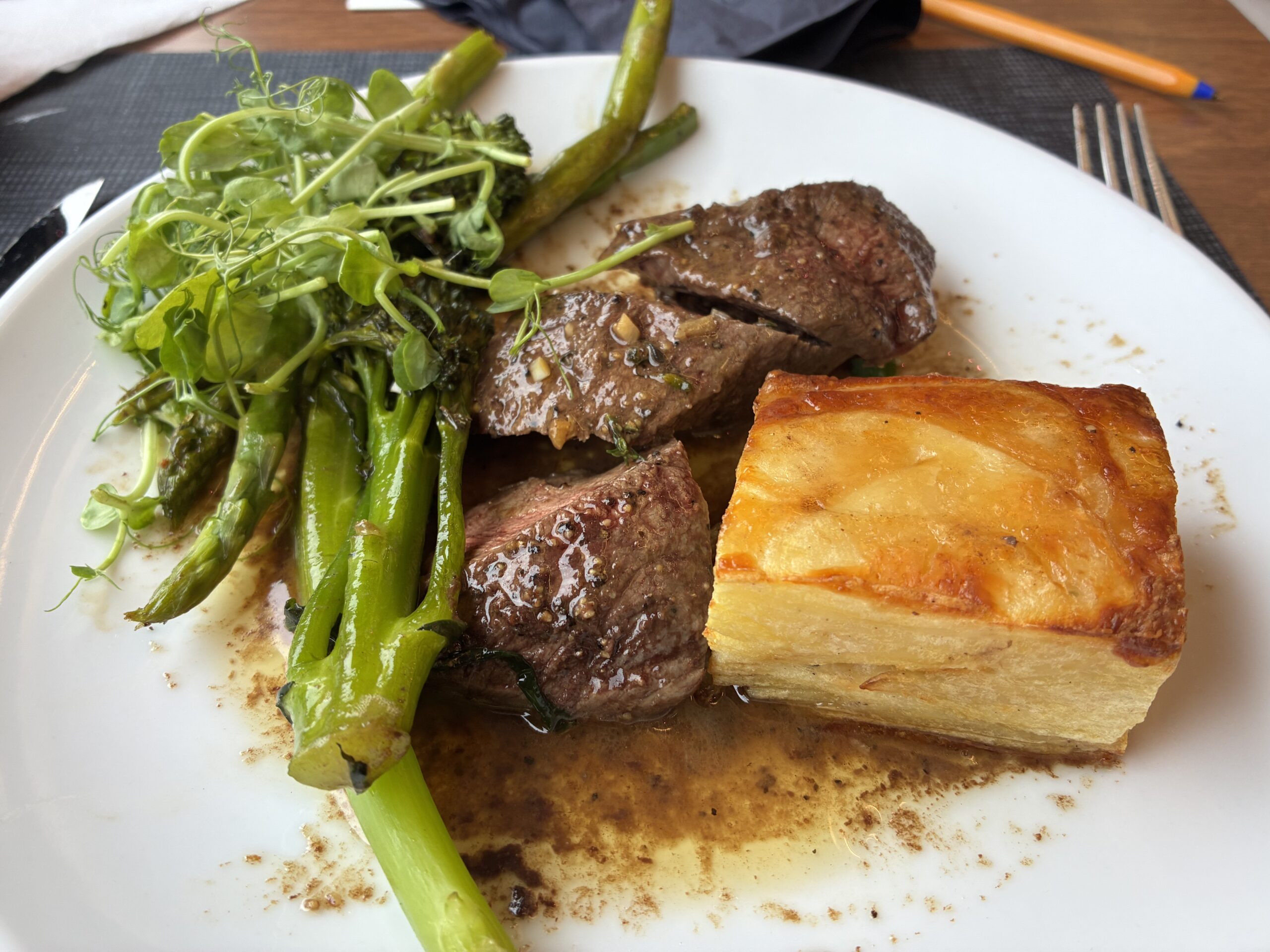
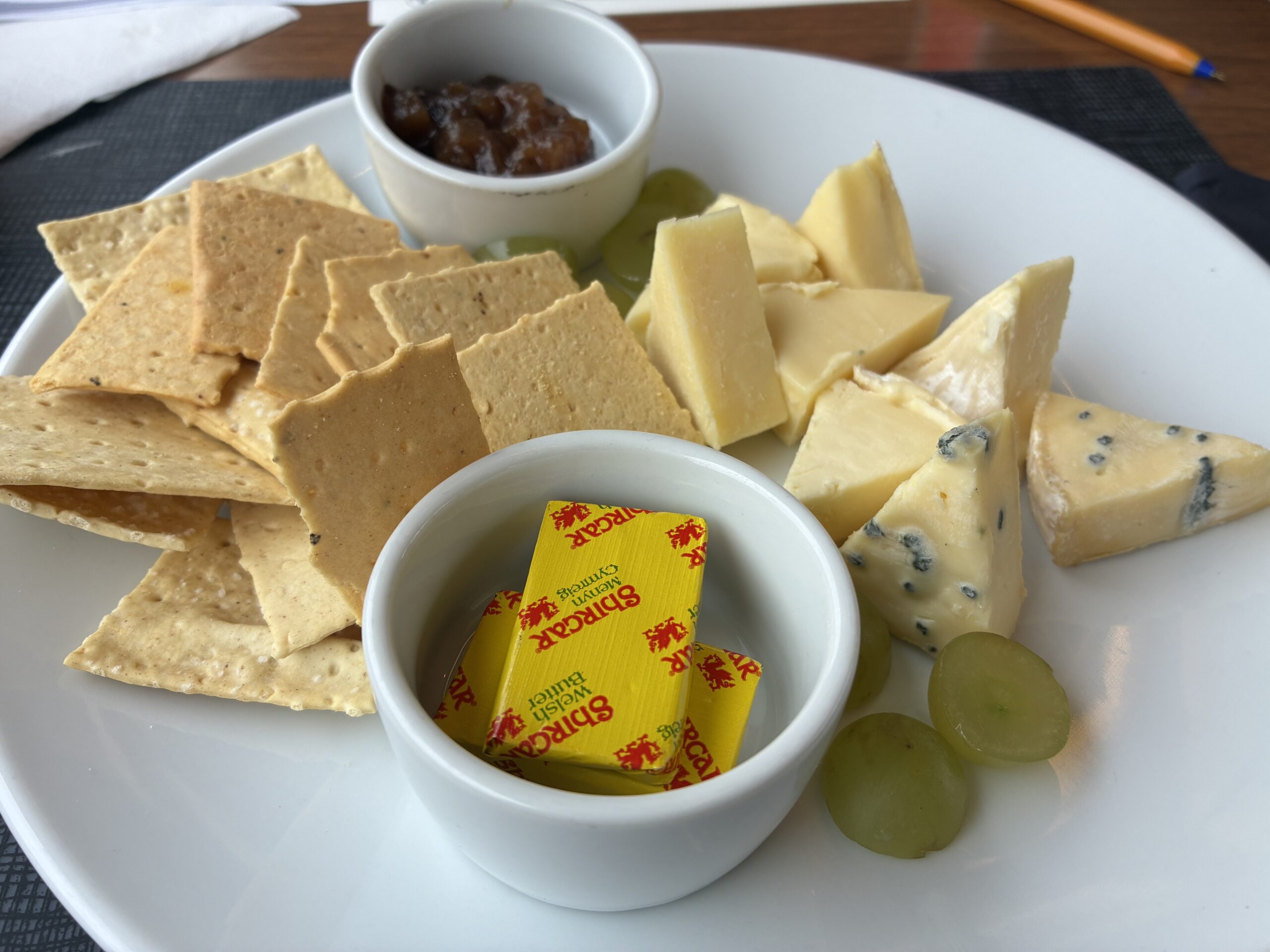
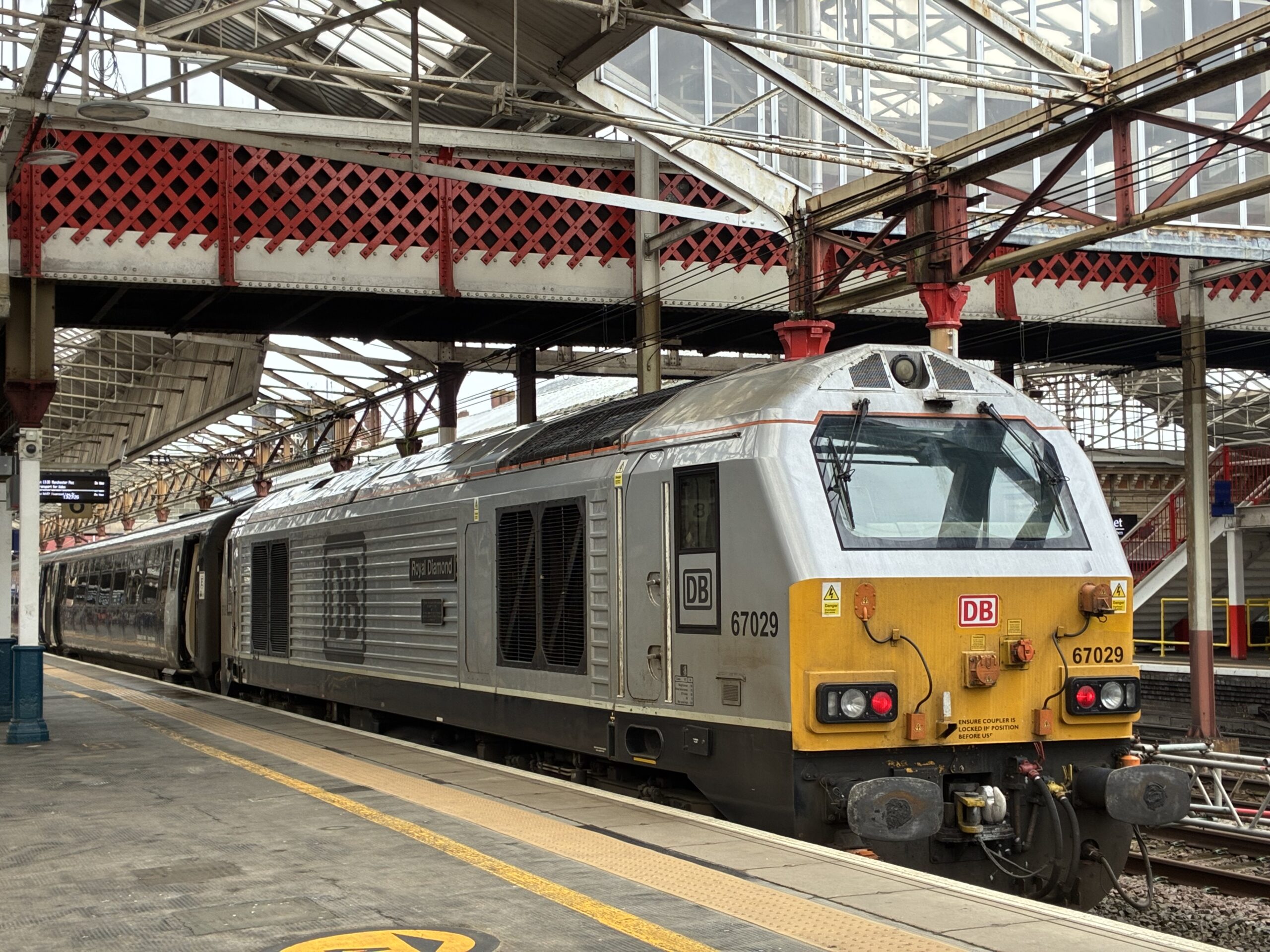
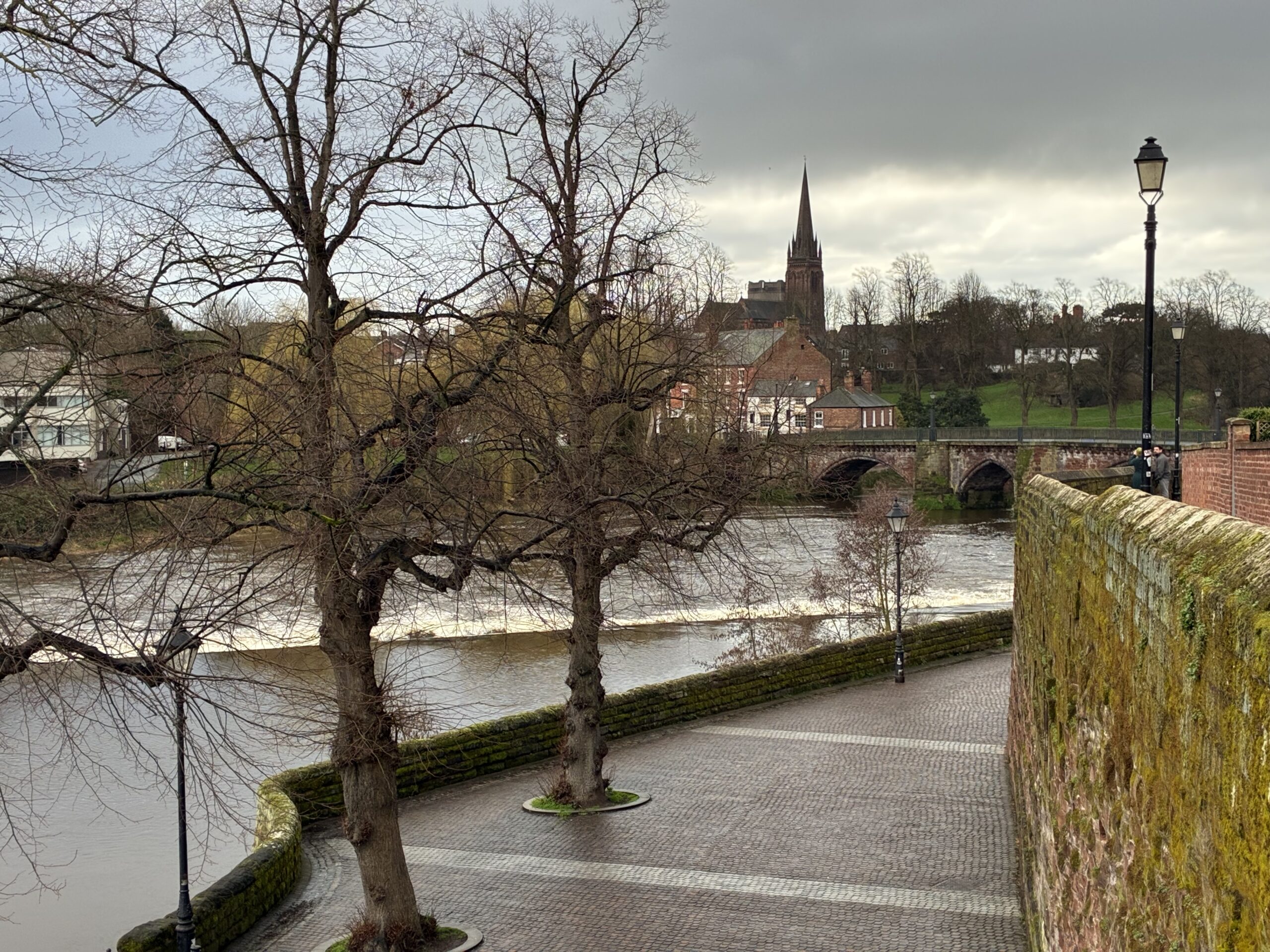
Chester – via Crewe on TFW loco hauled train with restaurant. Cathedral, evensong, city walls & river.
Liverpool – Annual trip to Anfield to watch West Ham concede the usual five goals.
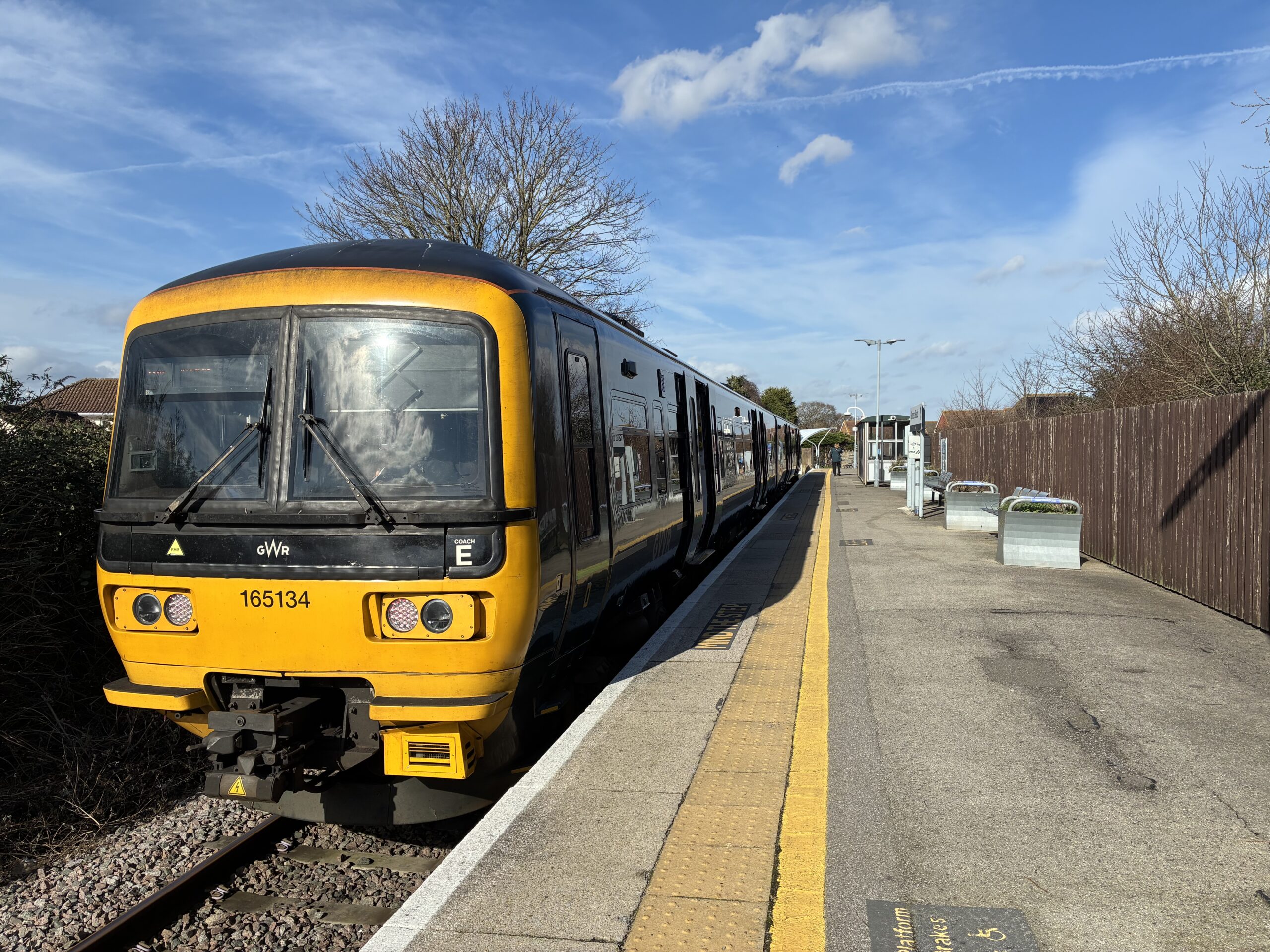
Severn Beach – A place and branch line I’d never visited before.
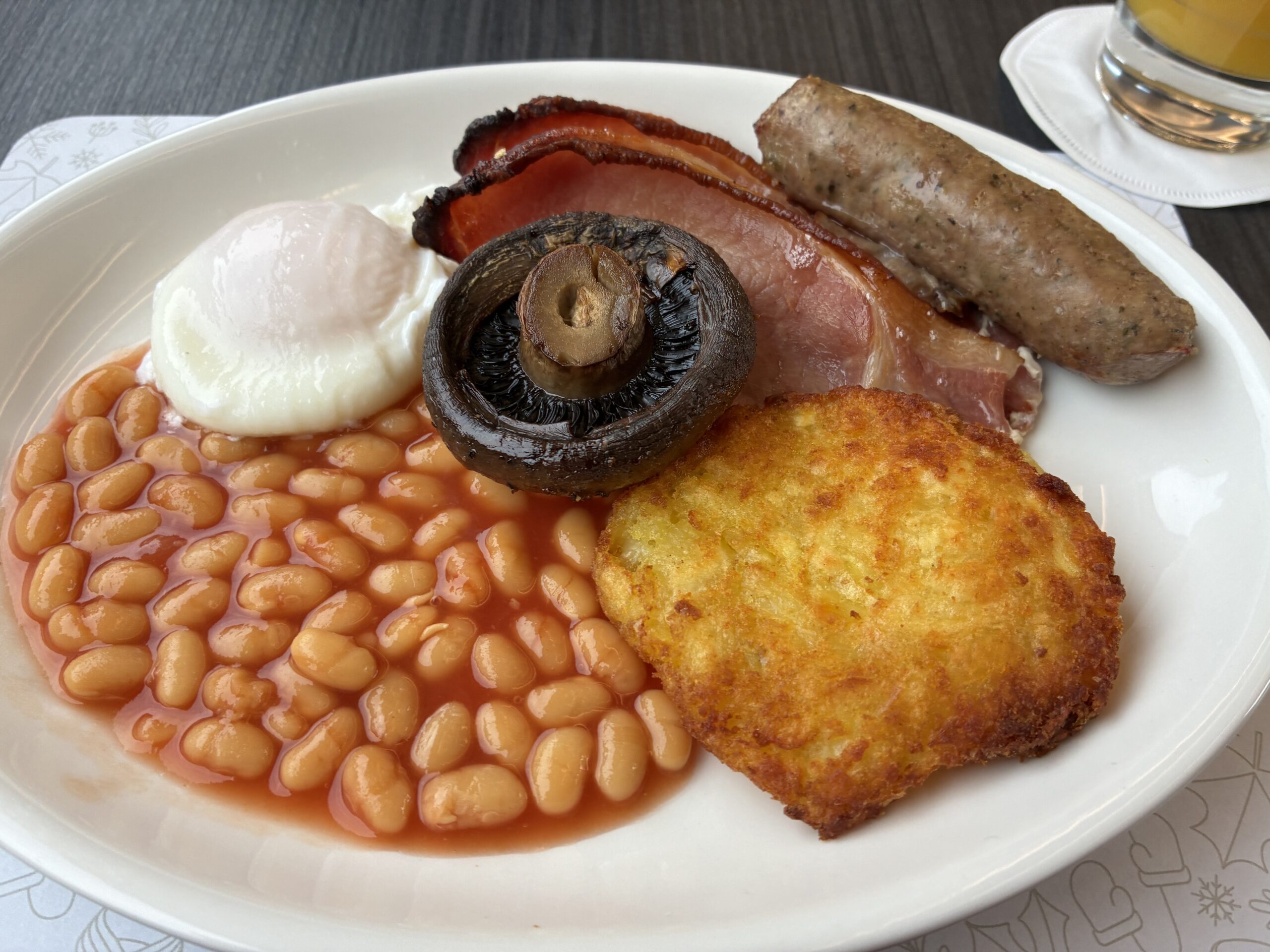
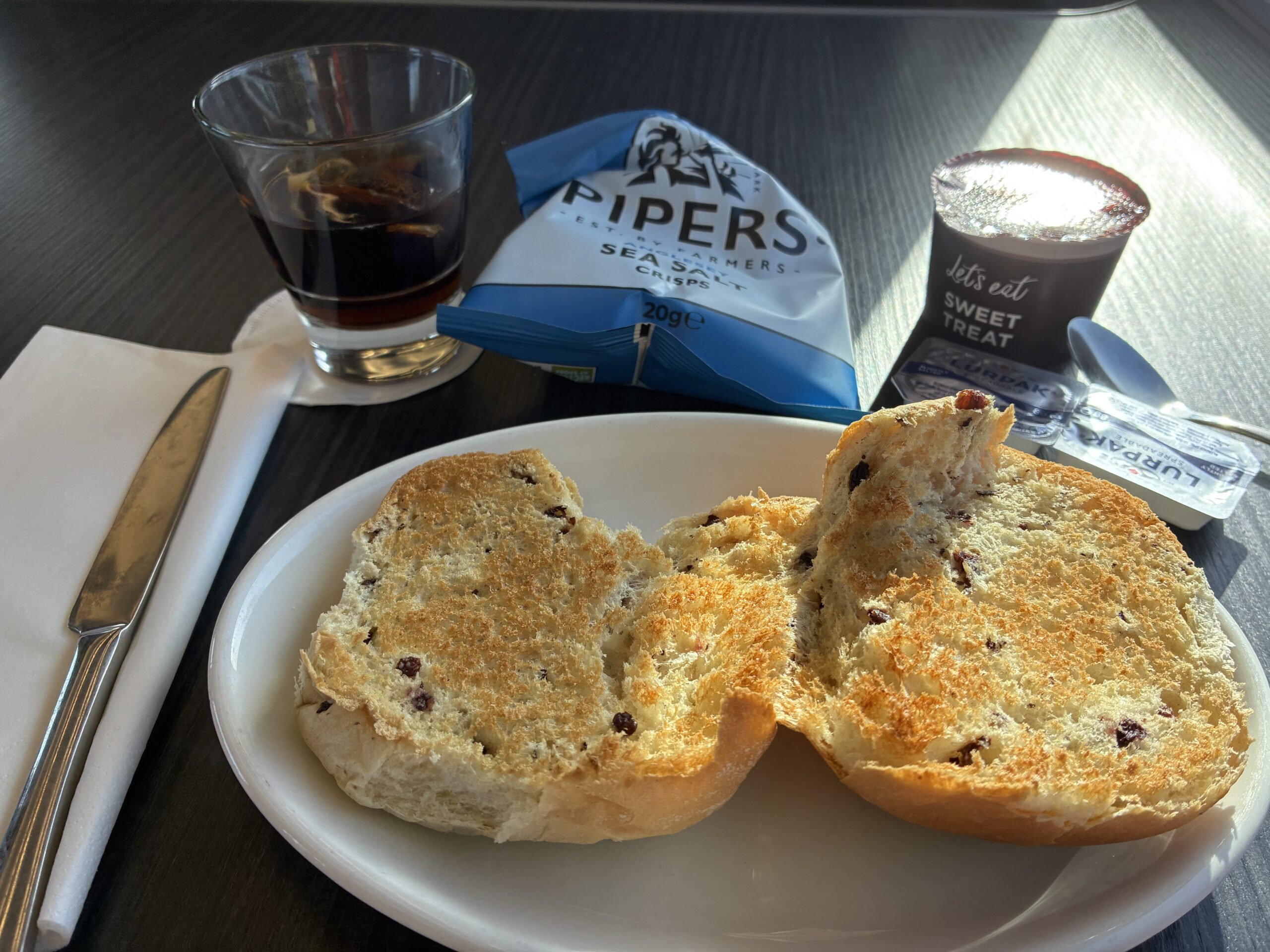
York – Breakfast on train. Walk by river & on city walls.










My Father’s Dartmoor
Copies of my new book are arriving tomorrow.
Please order from Swan Books, supporting a local business and ensuring that the author gets a fair proportion of the selling price.
Retirement !!!!! (but not from writing books)
47½ years ago I was asked to leave school part-way through the sixth form. I still think it reflected worse on the school than me.
Decided to get a job and as I was doing sciences a lab seemed appropriate. Offered job after first interview – Ricon, a company making adhesives and tapes in Romford. £27.50 a week. It was badly run and technical people not appreciated but I stayed 12 years. Looked around, was offered several jobs, very nearly took one as Technical Manager of a company in Andover. MD of Ricon told me they’d soon find out I wasn’t up to it. Judgment reflected more on him than me I think.
Set up Adhesive Technical Services, firstly on my own, offering independent lab testing & consultancy for adhesives, tape & labels. Started in one Portacabin, then two, then three. Gradually expanded, taking on staff. Became agents for ChemInstruments, US company making lab equipment for testing adhesives and later Ichemco, Italian company making adhesives and related materials. Big jump forward in 1996 was into bigger premises and manufacturing water-based adhesives for tapes & labels. Built up to 12 staff, £3.5 million turnover and making 1,200 tonnes a year of glue, going from one to three business units, still in the same yard in Purfleet.
2018, sold the manufacturing business to Pafra in Basildon, ensuring that all staff either moved there or stayed with me. Some still there, some wasted the opportunity. Carried on, initially with 5 staff, recently dropping to 2, as agents for ChemInstruments & Ichemco. Gave notice to them both to cease agencies 31st December 2025. Still some work to do to wind down the company and I’ll continue to do a small amount of consultancy but more or less retired. I don’t think I’ll find it hard to fill my time. There are more books in the pipeline!
As you would probably imagine, I often didn’t run the company in the most conventional way. Enjoyment, fairness & sustainability were more important than maximising profit. We probably could have made more money but we could have taken risks and not survived. It was more important to ensure everyone would still have jobs, receive a fair salary and as much freedom as possible.
There are many people I should thank over the 47 years but those who stayed a long time and became friends were the most important. Melanie, Amy, Simon, Esther and Brenda, our longest serving employee who has stayed to the end. Others whose contribution should be noted include Richard, Jennie, Dave (sadly no longer with us), Steve (who had a big impact on growing the business) & Darrell, a really nice chap who we sadly had to let go. Indeed (almost) everyone who worked for us. Also people whose support was crucial at various stages – Keith who shared the yard, Bob from the West Country and our landlords Roger & Trevor. Heather & Julian from Central Computers. Finally Steve and Andy from Pafra.
I shall miss people in the industry who I’ve worked with for many years. Francesca & Davide from Ichemco, Keith from ChemInstruments, from whom we sadly miss Matt. Many have now retired but I will try to keep in touch with a few. Delighted to have renewed contact with Neil from Ricon this week and to reminisce about 40 years ago.
In life one makes just a few really major choices. Two of mine were to start a business and then to sell it. Both proved to be very good decisions, as I think has a gradual retirement over the last few years, allowing more time for walking and writing books. I’ve heard all the jokes but when I started in Romford as a 17-year-old had no idea that I’d be sticking to glue for 47 years! There’s enough material for a book. Many amusing incidents over the years. – Fifty Years in Glue – but I suspect the market would be limited.
And my advice to anyone who thinks about starting their own business. Plan carefully, don’t be over-ambitious, take opportunities, remember people are more important than money, you have to enjoy it but go for it!
My Father’s Dartmoor
My Father’s Dartmoor has been passed off for printing and copies will be available late January. Pre-order now from Swan Books. My Father’s Dartmoor. **PRE-ORDER!** | Swanbooks
A celebration of my father’s sixty years of Dartmoor walking and campaigning, adding a little to the historical record of the National Park and completing the book he was unable to finish. Produced in full colour and illustrated with over 200 Dartmoor photographs.
Part One starts with four chapters written by my father describing walks in the 1950s & 60s. Further chapters describe some of his walks with family and with the Dartmoor Preservation Association.
Part Two contains photographs going back to 1954, some of which are compared with recent pictures. One chapter shows photographs from Dartmoor railways taken in the 1950s, including the famous Princetown branch line.
Part Three is based around my father’s Dartmoor documents, including letters from Hansford Worth and Hemery, with investigation undertaken regarding some of the buildings and artefacts mentioned. Based on his 1958 photograph the history of a remote Dartmoor farmhouse is researched, questioning previously published information.
The final chapter looks at changes observed on Dartmoor in the last sixty years.
Suffolk Coast Walk
I have completed and much enjoyed my return trips to Suffolk, as I’ve walked at least part of most walks described in Suffolk Coast Walk, looking for changes in the eleven years since publication. Notes on these changes will be incorporated into the next reprint, early in 2026. It was interesting that whilst the coastline is constantly changing, there generally seemed have been more erosion in the storms of 2014, just as I completed the book, as in the following eleven years. Sadly it was notable that bus services to the coast have reduced and that there has been a large reduction in B&B accommodation.
Tidal Island Hopping
Someone else who collects tidal islands – and uses No Boat Required as a guide.
My Father’s Dartmoor
My next book will be out before Christmas. First proofs were sent back to the publisher today with just a few alterations to be made.
My Father’s Dartmoor – Sixty Years of Dartmoor Walks & History
A celebration of my father’s sixty years of Dartmoor walking and campaigning, adding a little to the historical record of the National Park and completing the book that he was unable to finish. Produced in full colour and illustrated with over 200 Dartmoor photographs.
Part One starts with five chapters written by my father describing walks in the 1950s & 60s. Further chapters describe some of his walks in all weathers, with members of the family, and with the Dartmoor Preservation Association.
Part Two contains photographs going back to 1954, some of which are compared with recent pictures. One chapter shows photographs from Dartmoor railways taken in the 1950s, including the famous Princetown branch line.
Part Three is based around my father’s Dartmoor documents, including letters from Hansford Worth and Hemery, and is supported by investigations into some of the buildings and artefacts mentioned. Based on his 1958 photograph, the history of a remote Dartmoor farmhouse is researched, questioning previously published information.
The final chapter looks at changes observed on Dartmoor in the last sixty years.
My Father’s Dartmoor
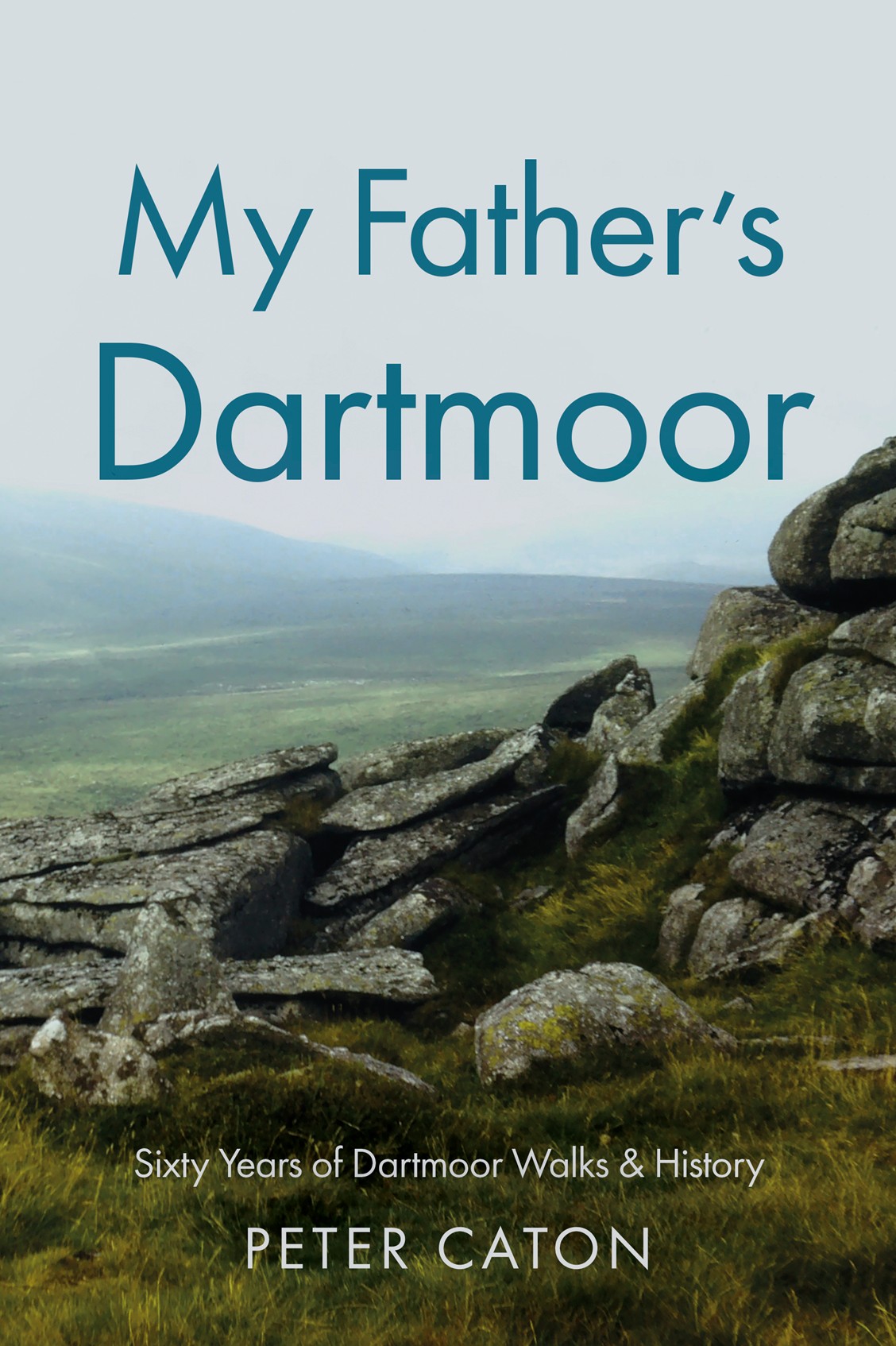
I now have the cover design for my next book. The photo is of Fur Tor, Dartmoor’s most remote and iconic tor, looking towards Amicombe Hill. Dad took the picture in 1965.

Recent Comments